Why Is Some Framing Lumber Pressure Treated and the Rest Isn’t?


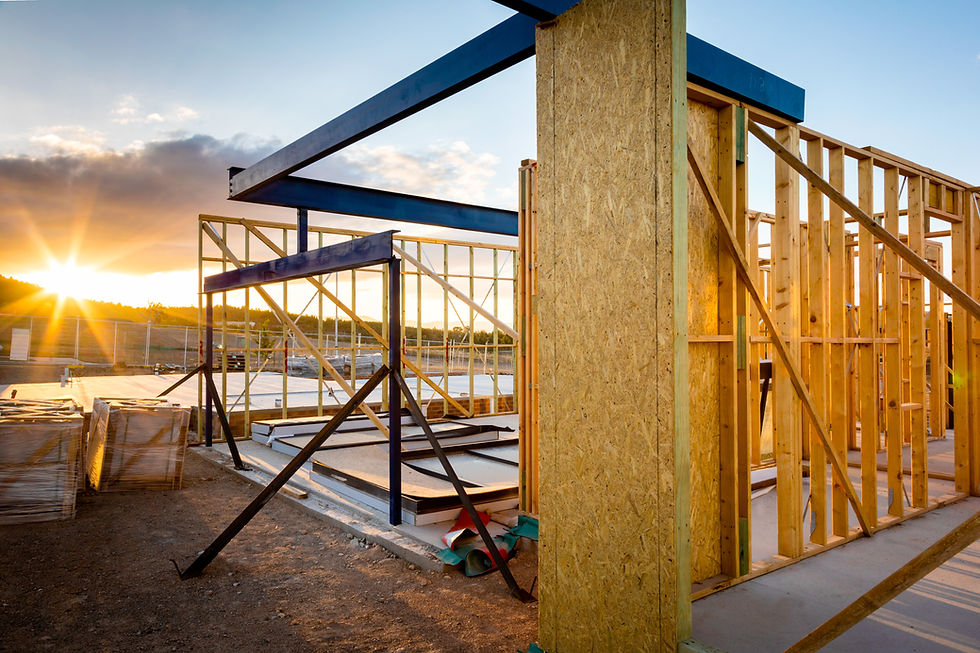
Walk through a new home while it is being framed and you may notice that some boards look different from the others. The wood along the foundation may have a greenish tint, while the studs rising above it look like ordinary lumber. If all of it is part of the same house, why isn’t all of it treated the same way?
The answer has to do with where each piece of wood will be used. Some framing locations have greater exposure to moisture or conditions that can lead to decay. Pressure treatment adds a preservative to wood intended for specified uses. The rest of the frame still needs the correct structural lumber, but it does not automatically need that treatment.
For a homeowner, the difference can look like an odd mix of materials. For a builder, it is a detail worth checking against the approved plans before the wood is installed and covered.
What Does “Pressure Treated” Mean?
Pressure-treated lumber has been processed so a preservative penetrates the wood. The treatment helps protect it against decay and other biological hazards under the conditions for which the product is rated. It does not make the wood waterproof or mean that one treated board is suitable for every location.
That last point matters. Treated lumber is sold for different uses, including locations above ground and locations with more demanding exposure. The product’s end tag or treatment mark helps identify its intended use. A builder should compare that information with the plans and the place where the board will go, rather than rely on its color.
Why Treat the Wood Near the Foundation?
On some homes, a wood sill plate sits on a concrete or masonry foundation. That location has different exposure considerations from an interior stud surrounded by finished, protected walls. Preservative-treated wood is commonly specified for sill plates, subject to the particular design and applicable requirements.
Other locations may call for treated wood too. The correct choice depends on where the material is installed and the conditions it is expected to face. The approved plans should identify the required material; the crew should not decide that every board near concrete is interchangeable.
A homeowner may also wonder whether the treatment replaces the need for other moisture details. It does not. Preserving the wood and managing water around the building are related, but they are separate parts of the design.
Why Not Treat Every Stud in the House?
Most interior wall studs do not face the same conditions as wood at a foundation or in another exposed location. Treating every board would not solve a moisture problem elsewhere in the building, and it would add a material requirement where the design may not call for one.
The important question is whether each location has the material specified for it. A regular stud should meet the structural requirements in the plans. A location requiring preservative treatment should receive a product rated for that use. One does not substitute for the other merely because the pieces are the same size.
What Should a Builder Check Before Installation?
When the lumber arrives, the builder and framing crew can compare the approved plans with the delivered materials. A useful check includes:
Which framing locations require preservative-treated wood?
Do the delivered pieces have a treatment label or mark appropriate for those locations?
Are the specified size, species, and grade also correct?
Are the connectors and fasteners compatible with the treated wood being used?
That final question is easy to miss. Some preservatives can affect metal hardware, so the project team needs fasteners and connectors appropriate for the treatment and application. If the plans, product information, or delivery do not agree, the builder should get clarification before the material is installed.
How Dino Framing Approaches the Framing Side
At Dino Framing Carolina, our focus is structural wood framing for new construction in the Charlotte area. The crew builds from the approved plans, including the material requirements shown for different parts of the frame.
If the plans call for treated lumber and the delivered material appears to differ, that is a question to raise with the builder before moving forward. The same applies when a treatment label or connection detail is unclear. Getting an approved answer at that stage helps the team install the right material where it belongs.
Most homeowners will never see those boards again after the house is finished. Taking time to check them while they are visible is part of building the frame with the finished home in mind.
Planning a custom or spec home in the Charlotte area? Send Dino Framing Carolina your plans, project location, and target schedule to discuss the structural framing scop